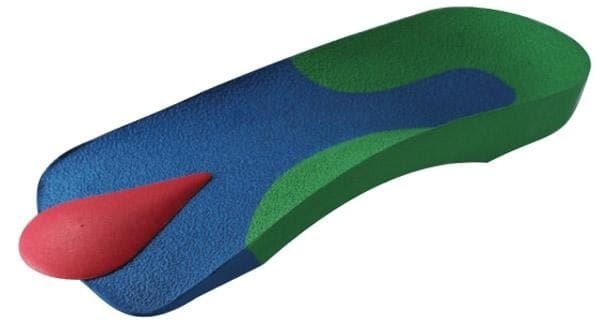
The human foot is a masterpiece of evolutionary engineering, containing 26 bones, 33 joints, and more than a hundred muscles, tendons, and ligaments. This complex structure is designed to absorb impact, support the body’s weight, and propel us forward. However, modern lifestyles—characterized by prolonged standing on hard, unforgiving surfaces and the widespread use of restrictive or poorly designed footwear—frequently place immense strain on this delicate system. Among the most common sources of discomfort is forefoot pain, often localized around the metatarsal heads. To alleviate this debilitating condition, podiatrists, physical therapists, and biomechanics experts frequently turn to a deceptively simple yet highly effective orthotic intervention: the metatarsal pad.
To understand how a small, dome-shaped piece of foam, felt, or silicone can provide profound relief, one must first explore the anatomy and mechanics of the forefoot. The metatarsals are the five long bones that connect the ankle bones (tarsals) to the toe bones (phalanges). The heads of these bones form the anterior transverse arch of the foot, which, along with the medial and lateral longitudinal arches, distributes body weight during the gait cycle. During the propulsion phase of walking or running, a tremendous amount of pressure shifts onto the metatarsal heads.
When the mechanical balance of the foot is disrupted, excessive localized pressure can cause inflammation, tissue degradation, and acute pain. This broad category of forefoot pain is generally termed metatarsalgia. Metatarsalgia is not a single disease but rather a symptom of various underlying structural or biomechanical issues. Common culprits include:
- Morton’s Neuroma: A painful condition where the tissue surrounding one of the digital nerves leading to the toes becomes thickened and inflamed, usually between the third and fourth metatarsal heads.
- Capsulitis: Inflammation of the joint capsules that connect the metatarsals to the toes, frequently affecting the second toe due to overloading.
- Sesamoiditis: Inflammation of the two tiny bones embedded in the tendon beneath the big toe joint.
- Atrophy of the Plantar Fat Pad: The natural thinning of the protective cushioning layer beneath the metatarsal heads, which often occurs as a consequence of aging.
This is where the metatarsal pad becomes an essential therapeutic tool. Unlike full-profile custom orthotics that modify the entire posture of the foot, a metatarsal pad targets the specific biomechanics of the forefoot. Its primary objective is the redistribution of weight and the restoration of structural alignment.
The fundamental mechanism of a metatarsal pad relies on strategic positioning. A common misconception is that the pad should be placed directly under the painful ball of the foot. In reality, doing so would increase pressure on the already inflamed tissues and exacerbate the pain. Instead, the pad is placed just behind (proximal to) the metatarsal heads, situated in the soft space of the metatarsal shafts.
By lifting the metatarsal shafts slightly, the pad achieves several critical mechanical corrections. First, it redistributes the ground reaction forces during the weight-bearing phases of gait. Instead of the impact forces concentrating entirely on the vulnerable metatarsal heads, a portion of the load is transferred back onto the stronger shafts of the bones.
Second, the elevated positioning helps restore the natural transverse arch of the forefoot. In many individuals suffering from metatarsalgia, this arch has collapsed or splayed out, causing the metatarsal heads to drop and take on excessive pressure. Re-establishing the arch spreads the metatarsal heads apart. This spreading action is particularly vital for treating Morton’s neuroma, as it opens up the tight intermetatarsal space and immediately reduces the mechanical pinching and friction on the compressed digital nerve.
Furthermore, lifting the metatarsal shafts promotes a slight plantarflexion of the toes, which effectively coaxes the protective plantar fat pad back into its proper position directly beneath the metatarsal heads. This restores the foot’s built-in natural shock absorption system, breaking the cycle of repetitive microtrauma and allowing inflamed tissues to heal.
Clinical evidence strongly supports the efficacy of this modest intervention. Numerous biomechanical studies utilizing pedobarography—the measurement of pressure distribution under the foot—have demonstrated significant reductions in peak forefoot pressure when metatarsal pads are properly applied. Patients frequently report rapid reductions in pain and substantial improvements in mobility. Because they are inexpensive, non-invasive, and easily transferable between different pairs of shoes, metatarsal pads represent a highly cost-effective first-line treatment that can prevent the need for more invasive measures, such as corticosteroid injections or surgical decompression.
However, the success of metatarsal pad therapy depends heavily on two variables: proper placement and appropriate footwear. Because the ideal location is highly specific to an individual’s unique foot anatomy, off-the-shelf shoes that feature built-in, generic metatarsal contours often fail to align correctly with the user’s joints, sometimes causing new points of discomfort.
For standalone pads—whether they are adhesive felt pieces stuck directly to the foot, inserts adhered to an existing insole, or integrated into a custom orthotic—finding the exact sweet spot is a precise science. It requires identifying the prominence of the metatarsal heads and securing the pad just behind that line. If the pad is placed too far back, it provides no mechanical benefit; if it is placed too far forward, it worsens the condition.
Additionally, metatarsal pads cannot function in isolation from the footwear environment. For a pad to successfully splay the metatarsals and relieve compression, the shoe must feature a sufficiently wide toe box. If a patient applies a metatarsal pad but continues to wear narrow, pointed, or high-heeled shoes, the constrictive upper material will counteract the pad’s spreading action, keeping the metatarsal heads squeezed together and the nerves compressed. Therefore, combining pad therapy with footwear that allows the toes to splay naturally is crucial for achieving optimal long-term outcomes.
In conclusion, metatarsal pads serve as an elegant demonstration of how targeted, localized biomechanical adjustments can yield profound therapeutic results. By shifting pressures away from vulnerable, inflamed structures, restoring the natural transverse arch, and relieving nerve compression, these simple devices address the root mechanical causes of forefoot pain rather than merely masking the symptoms. When implemented with precise anatomical placement and paired with supportive, anatomically cooperative footwear, metatarsal pads stand as an invaluable, highly accessible cornerstone in conservative foot care, enabling individuals to regain pain-free mobility and safeguard their long-term foundational health.